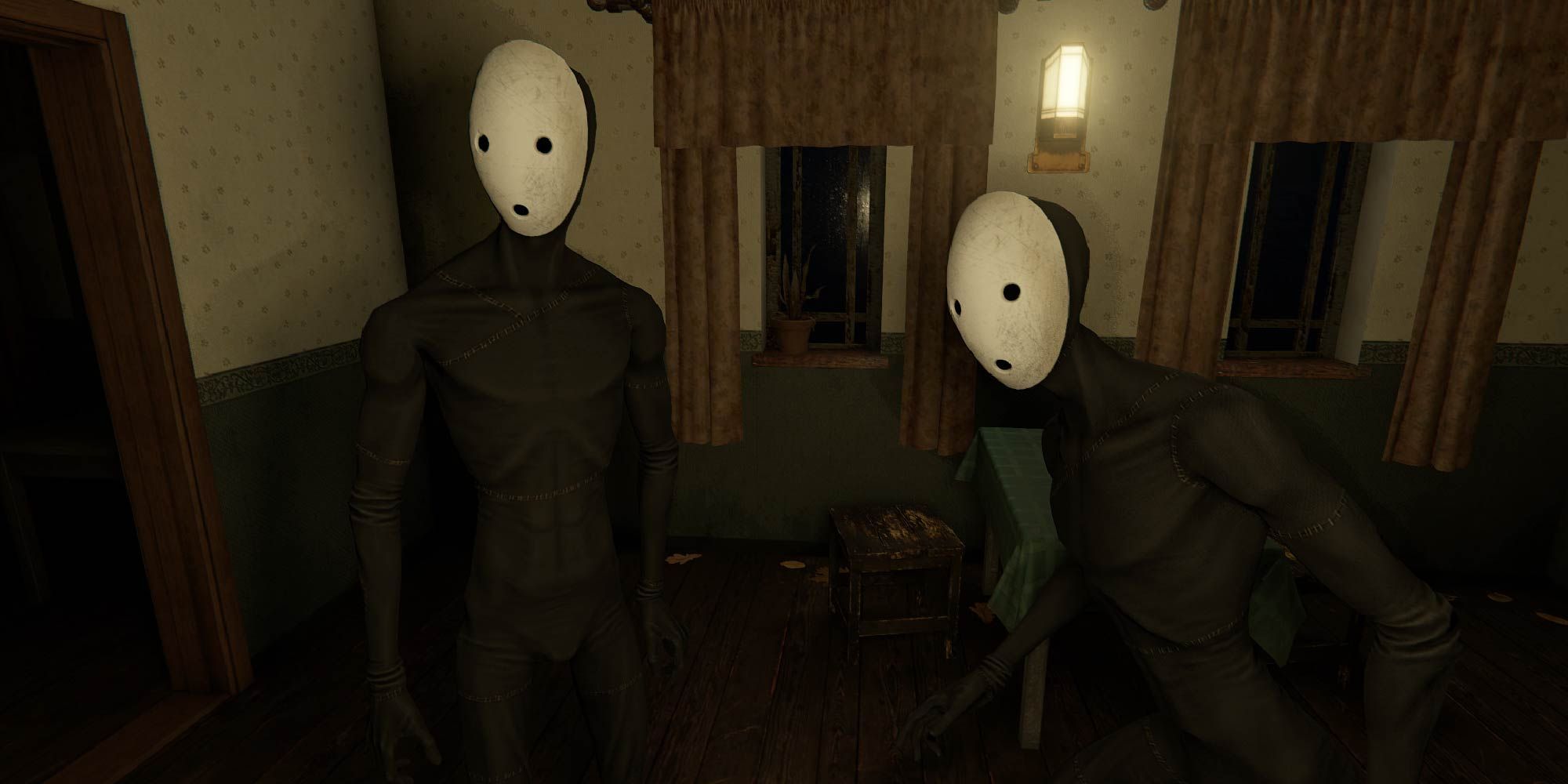
Highly rated indie horror games set the stage for this enthralling narrative, offering readers a glimpse into a story that is rich in detail and brimming with originality from the outset.
Indie horror games have carved a niche in the gaming world, combining unique storytelling with spine-chilling gameplay mechanics to deliver an unforgettable experience for players.
Overview of Highly Rated Indie Horror Games
Indie horror games are independently developed video games that focus on creating a unique and immersive horror experience for players. These games are often created by small teams or even individual developers, allowing for more creative freedom and experimentation with different horror elements.
Characteristics of Highly Rated Indie Horror Games
- Immersive Atmosphere: Highly rated indie horror games excel in creating a tense and eerie atmosphere that keeps players on edge throughout the gameplay.
- Innovative Gameplay Mechanics: These games often introduce innovative gameplay mechanics that add complexity and depth to the overall experience, making them stand out from traditional horror games.
- Unique Art Style: Indie horror games are known for their distinct art styles that contribute to the overall mood and tone of the game, enhancing the player’s immersion.
- Compelling Storytelling: The best indie horror games feature compelling and thought-provoking narratives that engage players and keep them invested in the game world.
- Effective Sound Design: Sound plays a crucial role in creating a chilling atmosphere in indie horror games, with well-crafted sound effects and music enhancing the overall horror experience.
Appeal of Indie Horror Games to Players
- Unique Horror Experience: Players are drawn to indie horror games for the opportunity to experience fresh and unique horror concepts that may not be found in mainstream titles.
- Emotional Impact: Indie horror games often focus on psychological horror and emotional storytelling, eliciting strong emotional responses from players.
- Engagement with Developers: The indie nature of these games allows players to connect with developers on a more personal level, providing feedback and suggestions that can directly influence the game’s development.
Notable Titles in the Genre
Indie horror games have gained immense popularity in recent years, offering unique gameplay experiences and chilling narratives that captivate players. Below are some of the most notable highly rated indie horror games that have left a lasting impact on the gaming community.
1. “Amnesia: The Dark Descent”
“Amnesia: The Dark Descent” is a psychological horror game that immerses players in a terrifying world filled with puzzles and supernatural entities. The game’s unique feature lies in its focus on atmospheric storytelling and psychological horror, creating a truly immersive and terrifying experience for players. It has received critical acclaim for its gameplay, narrative, and overall atmosphere, making it a standout title in the indie horror genre.
2. “Outlast”
“Outlast” is a first-person survival horror game that puts players in the shoes of a journalist investigating a dilapidated psychiatric hospital. The game’s unique feature is its emphasis on stealth gameplay and the use of night vision to navigate dark environments, creating a sense of vulnerability and tension throughout the experience. “Outlast” has been praised for its intense gameplay, terrifying atmosphere, and innovative use of horror elements, solidifying its place as a top indie horror title.
3. “Inside”
“Inside” is a puzzle-platformer game with dark and atmospheric elements that blur the lines between horror and suspense. The game’s unique feature is its minimalist storytelling and immersive world-building, drawing players into a dystopian world filled with eerie visuals and haunting encounters. “Inside” has garnered critical acclaim for its thought-provoking narrative, atmospheric design, and engaging gameplay, establishing itself as a standout indie horror game.
4. “Little Nightmares”
“Little Nightmares” is a puzzle-platformer game that follows a young girl named Six as she navigates a mysterious underwater resort known as The Maw. The game’s unique feature is its eerie and unsettling art style, coupled with a sense of dread and suspense that permeates the entire experience. “Little Nightmares” has received praise for its atmospheric design, innovative puzzles, and emotional storytelling, cementing its reputation as a highly rated indie horror game.
5. “Soma”
“Soma” is a sci-fi horror game that delves into existential themes and moral dilemmas, challenging players to confront the nature of consciousness and identity. The game’s unique feature is its philosophical storytelling and immersive narrative, which explores the depths of human emotions and fears. “Soma” has been lauded for its thought-provoking narrative, atmospheric world-building, and moral choices, making it a standout title in the indie horror genre.
Game Development Process
Indie horror games are typically developed by small teams or even individual developers with limited resources but a passion for creating unique and chilling experiences for players. The development process for indie horror games can vary, but there are some common steps that developers often follow to bring their vision to life.
Conceptualization and Design
Developers start by brainstorming ideas for their game, including the story, setting, characters, and gameplay mechanics. This phase involves creating a detailed design document outlining the key elements of the game and how they will work together to create a cohesive experience.
Prototyping and Testing
Once the initial concept is fleshed out, developers create a prototype of the game to test out the core mechanics and gameplay. This iterative process allows developers to refine their ideas and make necessary adjustments based on player feedback and testing.
Art and Sound Design
Creating the visual and audio elements of the game is crucial for setting the mood and atmosphere in a horror game. Indie developers often rely on their own artistic skills or collaborate with freelance artists and musicians to bring their vision to life.
Programming and Development
The actual coding and development of the game come next, where developers bring together all the elements of the game into a playable experience. This phase can be time-consuming and challenging, especially for indie developers working with limited resources.
Marketing and Release
Once the game is nearing completion, developers focus on creating a marketing strategy to promote their game and generate buzz among players. Indie developers often rely on social media, gaming forums, and indie game showcases to reach their target audience and build anticipation for the release.
Post-Launch Support and Updates
After the game is released, developers continue to support it with bug fixes, updates, and community engagement. This ongoing support is essential for maintaining player interest and building a loyal fan base for future projects.
Art and Design in Indie Horror Games
Art and design play a crucial role in creating a chilling and immersive experience in indie horror games. The visual elements, along with sound design and music, work together to build tension and evoke fear in players.
Art Style in Indie Horror Games
The art style commonly used in indie horror games often leans towards dark, gritty, and atmospheric visuals. Developers utilize a combination of realistic graphics, pixel art, or stylized illustrations to create eerie environments and unsettling characters. The use of shadows, lighting effects, and detailed textures enhances the sense of dread and suspense.
Contribution to Horror Atmosphere
- The art and design in indie horror games set the tone for the entire experience, establishing a foreboding atmosphere from the start.
- Details like blood splatters, decaying environments, and grotesque creature designs instill a sense of unease and anticipation in players.
- Clever use of visual cues, such as flickering lights, sudden movements, or distorted perspectives, intensifies the feeling of being watched or pursued.
Sound Design and Music
Sound design and music are integral components in enhancing the horror experience in indie games. The following are ways in which they contribute:
-
The use of ambient noises, unsettling whispers, or sudden loud noises can create tension and jump scares, keeping players on edge.
- Immersive sound effects like creaking doors, footsteps, or distant screams add to the realism and sense of danger within the game world.
- Music that escalates during intense moments, fades to silence during suspenseful lulls, or changes abruptly to signal danger heightens the emotional impact on players.
Gameplay Mechanics and Storytelling
Indie horror games often incorporate unique gameplay mechanics that enhance the overall experience for players. At the same time, storytelling plays a crucial role in setting the tone, atmosphere, and narrative direction of these games. Finding the right balance between engaging gameplay and immersive storytelling is key to creating a memorable indie horror game.
Gameplay Mechanics
- Inventory Management: Players must carefully manage limited resources such as ammunition, health packs, and tools to survive in a hostile environment.
- Puzzle Solving: Many indie horror games feature challenging puzzles that players must solve to progress through the story, adding an element of mental stimulation to the gameplay.
- Stealth Mechanics: Stealth is often a crucial gameplay element in indie horror games, requiring players to avoid detection by enemies and navigate dark, dangerous environments without being caught.
- Exploration: Exploration is a key gameplay mechanic in indie horror games, as players must search for clues, items, and secrets to uncover the game’s story and progress through the narrative.
- Resource Scarcity: Indie horror games often limit resources such as ammunition and health items, creating a sense of tension and vulnerability for players.
Storytelling in Indie Horror Games
- Atmosphere and Setting: Indie horror games use atmospheric environments, sound design, and visuals to immerse players in a world filled with dread, suspense, and fear.
- Character Development: Compelling characters with rich backstories and motivations help drive the narrative forward and create emotional connections with players.
- Plot Twists and Reveals: Indie horror games often incorporate unexpected plot twists, shocking revelations, and moral dilemmas to keep players engaged and guessing until the very end.
Balance between Gameplay and Storytelling
- Immersion: Balancing gameplay mechanics and storytelling is essential for creating an immersive experience that captivates players and keeps them engaged throughout the game.
- Pacing: The pacing of gameplay and storytelling must be carefully calibrated to maintain tension, suspense, and player interest without overwhelming or boring the audience.
- Player Agency: Giving players choices and consequences in the game’s story can enhance immersion and make the narrative feel more personal and impactful.
Impact of Indie Horror Games on the Gaming Industry
Indie horror games have had a significant impact on the gaming industry, influencing both developers and players alike. These games have brought fresh ideas, innovative gameplay mechanics, and unique storytelling to the forefront, challenging traditional norms and pushing boundaries in the industry.
Influence on Mainstream Game Development
Indie horror games have inspired mainstream developers to take more risks and explore darker themes in their games. The success of indie horror titles has shown that there is a strong market for immersive and atmospheric experiences, leading to an increase in horror-themed games from larger studios. This cross-pollination of ideas has resulted in a more diverse range of games for players to enjoy.
Community and Fan Base
The community surrounding indie horror games is passionate and dedicated, often forming close-knit groups to discuss, critique, and celebrate their favorite titles. Indie developers frequently interact with their fan base, taking feedback and suggestions into account for future projects. This direct line of communication has fostered a sense of collaboration and camaraderie between developers and players, creating a supportive ecosystem for indie horror games to thrive.
End of Discussion
As we delve deeper into the realm of indie horror games, it becomes evident that these titles not only entertain but also push the boundaries of creativity and innovation within the gaming industry.
