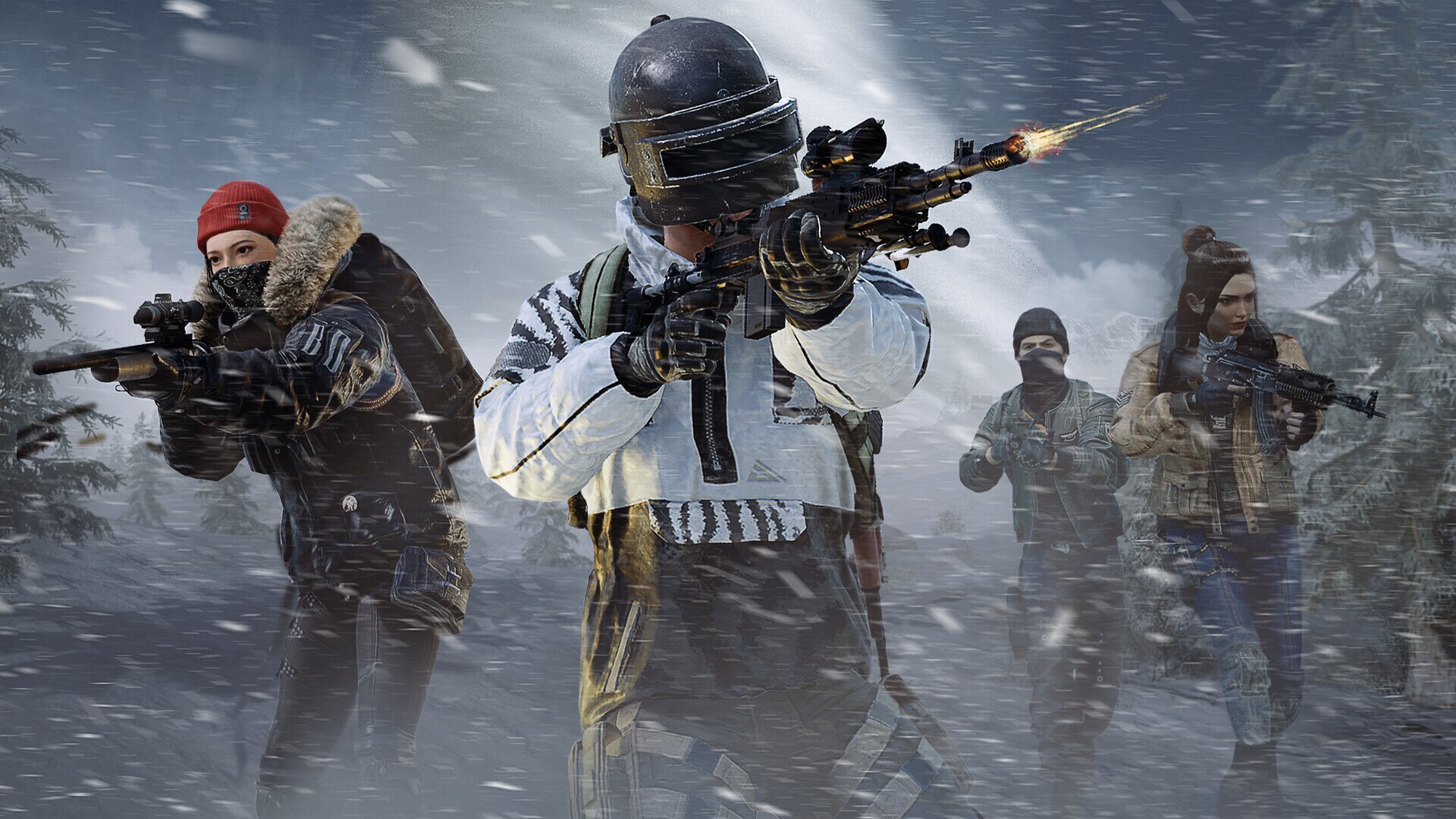
Most addictive battle royale games immerse players in intense gameplay, strategic decision-making, and thrilling competition. With a wide range of popular titles to choose from, these games offer a dynamic and engaging experience that keeps players hooked.
Exploring the unique features, gameplay mechanics, and player engagement aspects of these games provides valuable insights into the evolution of the gaming industry and the shift in player preferences.
Overview of Battle Royale Games
Battle Royale games are a popular genre in the gaming world that typically involve a large number of players dropped into an open-world environment where they must fight to be the last person or team standing.
The main defining feature of battle royale games is the shrinking play area, which forces players into closer proximity and ensures intense and fast-paced gameplay.
Popular Battle Royale Games
- Fortnite
- PlayerUnknown’s Battlegrounds (PUBG)
- Apex Legends
- Call of Duty: Warzone
- Free Fire
Main Objective in Battle Royale Games
In battle royale games, the main objective is to be the last player or team standing out of all the participants. This involves strategizing, gathering resources, and engaging in combat with other players to ensure survival until the end.
Gameplay Mechanics
In most addictive battle royale games, players are dropped onto a map where they must scavenge for weapons, armor, and resources while eliminating opponents to be the last one standing.
Strategy and quick decision-making play a crucial role in these games as players need to adapt to the ever-changing environment, make split-second choices on when to engage in combat, and when to retreat to safety.
Common Gameplay Mechanics:
- Map Shrinking: As the match progresses, the playable area of the map gradually decreases, forcing players into closer proximity and increasing the likelihood of encounters.
- Inventory Management: Players must carefully manage their inventory space, choosing which weapons, items, and resources to carry for optimal combat effectiveness.
- Looting: Scavenging for weapons, armor, and supplies is essential for survival, with various tiers of loot available based on rarity.
- Combat: Engaging in firefights with other players requires precision aiming, strategic positioning, and quick reflexes to outsmart opponents.
- Building: Some battle royale games feature a building mechanic where players can construct structures for defense or strategic advantage.
Comparison of Gameplay Mechanics:
| Game | Unique Gameplay Mechanic |
|---|---|
| Fortnite | Building structures during combat |
| PUBG | Realistic gunplay mechanics and vehicle usage |
| Apex Legends | Legends with unique abilities and team-based gameplay |
Unique Features
Battle royale games stand out from other genres due to their unique features that keep players engaged and addicted. These features contribute to the adrenaline-fueled experience that keeps gamers coming back for more.
Building Mechanic in Fortnite
In Fortnite, players can gather resources and build structures on the fly, adding a dynamic element to the gameplay. This feature allows players to create cover, ramps, and even elaborate structures, giving them a strategic advantage in battles. The building mechanic in Fortnite sets it apart from other battle royale games and adds a layer of complexity that keeps players hooked.
Respawn System in Apex Legends
Apex Legends introduced a respawn system that allows teammates to bring back fallen allies by collecting their banner and taking it to a respawn beacon. This unique feature encourages teamwork and adds a new level of strategy to the game. The ability to revive teammates keeps players invested in the match even after being eliminated, leading to addictive gameplay loops.
Gulag in Call of Duty: Warzone
In Call of Duty: Warzone, players get a second chance at life through the Gulag, a 1v1 arena where the winner gets to respawn back into the match. This feature adds a thrilling element of risk and reward, as players have the opportunity to fight for their survival and re-enter the game. The Gulag mechanic in Warzone adds tension and excitement, making each match a heart-pounding experience.
Vehicle Combat in PUBG
PlayerUnknown’s Battlegrounds (PUBG) introduced vehicle combat as a key element of the gameplay. Players can traverse the map using various vehicles and engage in intense battles on the move. The inclusion of vehicles adds a new dimension to the gameplay, allowing for fast-paced action and strategic maneuvers. The adrenaline rush of vehicle combat in PUBG keeps players addicted to the game.
Player Engagement
Player engagement is a crucial aspect of battle royale games, as it determines the longevity and success of the game. There are several factors that contribute to the addictive nature of these games, keeping players coming back for more.
Competition and Rewards
One of the key factors that make battle royale games addictive is the element of competition. Players are constantly striving to outlast their opponents and emerge as the last player standing. The thrill of facing off against real human opponents and the satisfaction of winning drive players to keep playing.
In addition to competition, rewards play a significant role in keeping players engaged. Whether it’s unlocking new cosmetic items, earning in-game currency, or climbing the ranks on a leaderboard, rewards provide a sense of accomplishment and progression for players. This motivates them to continue playing and improving their skills.
Social Aspects and Community Interactions
Battle royale games often feature social elements that enhance the overall gaming experience. Players can team up with friends or join a squad to take on other teams, fostering a sense of camaraderie and teamwork. The ability to communicate with teammates through voice chat or in-game messaging adds another layer of immersion and engagement.
Furthermore, community interactions within these games, such as participating in events, sharing strategies, or watching live streams, help create a sense of belonging and connection among players. The community aspect not only enhances the overall gameplay experience but also encourages players to stay engaged and invested in the game.
Development and Evolution
The evolution of battle royale games has been a fascinating journey, starting from their humble beginnings to becoming one of the most popular genres in the gaming industry today. Developers have continuously pushed the boundaries of innovation to keep players engaged and addicted to these intense multiplayer experiences.
Inception and Early Development
- Battle royale games originated from mods created by passionate gamers for existing titles like ARMA and Minecraft.
- PlayerUnknown’s Battlegrounds (PUBG) is often credited with popularizing the genre, introducing the concept of a shrinking play area to force player encounters.
- Fortnite revolutionized the genre with its unique building mechanics and vibrant art style, appealing to a wider audience.
Key Developments and Trends
- Integration of seasonal battle passes to provide players with exclusive rewards and challenges, encouraging long-term engagement.
- Cross-platform play has become increasingly common, allowing gamers on different devices to compete against each other seamlessly.
- Constant updates and additions of new content to keep the gameplay fresh and exciting, preventing stagnation and player drop-off.
Ongoing Innovation by Developers
- Introduction of limited-time game modes and events to add variety and spice up the gameplay experience.
- Exploration of new mechanics such as vehicles, unique weapons, and dynamic weather systems to enhance the overall gameplay depth.
- Focus on community feedback and player data analysis to tailor updates and features according to player preferences, ensuring a player-centric approach.
Impact on Gaming Industry
Battle royale games have undeniably made a significant impact on the gaming industry, revolutionizing the way players engage with games and inspiring developers to explore new possibilities.
Influence on Game Development
- The success of battle royale games has inspired developers to create more multiplayer, last-man-standing games across various genres.
- Many game studios have incorporated battle royale modes or elements into their existing titles to cater to the growing demand for this gameplay style.
- Battle royale games have pushed the boundaries of game development, encouraging innovation in mechanics, graphics, and player interaction.
Shift in Player Preferences
- Players have shown a clear preference for battle royale games, leading to a shift in the industry towards more competitive and intense gameplay experiences.
- This shift has influenced game design trends, with an emphasis on strategic decision-making, resource management, and skill-based combat.
- The rise of battle royale games has also fostered a sense of community and competition among players, driving engagement and retention in the gaming community.
Last Word
In conclusion, Most addictive battle royale games continue to shape the gaming landscape with their innovative gameplay elements and captivating player experiences. As developers strive to keep players engaged through competition, rewards, and social interactions, the impact of these games on the industry remains profound and ever-evolving.
